Project-based stone fabrication from Hui'an, Fujian

Stone project knowledge · reviewed 20 August 2026

Which Documents Should a Custom Stone Buyer Receive?

Documents are useful only when they point to the same component marks, drawing revisions and crate references used on the physical order. A folder of unlinked photographs is not a handover system.

In brief

Which Documents Should a Custom Stone Buyer Receive?

The final document package should let the buyer identify what was approved, what was produced, where each piece is packed and what the local team needs for safe receipt and coordination. The exact deliverables belong in the quotation and inspection plan because not every project requires the same tests or assembly records.

This guide is general manufacturing and coordination information. Contract documents, engineering and destination requirements control each actual project.

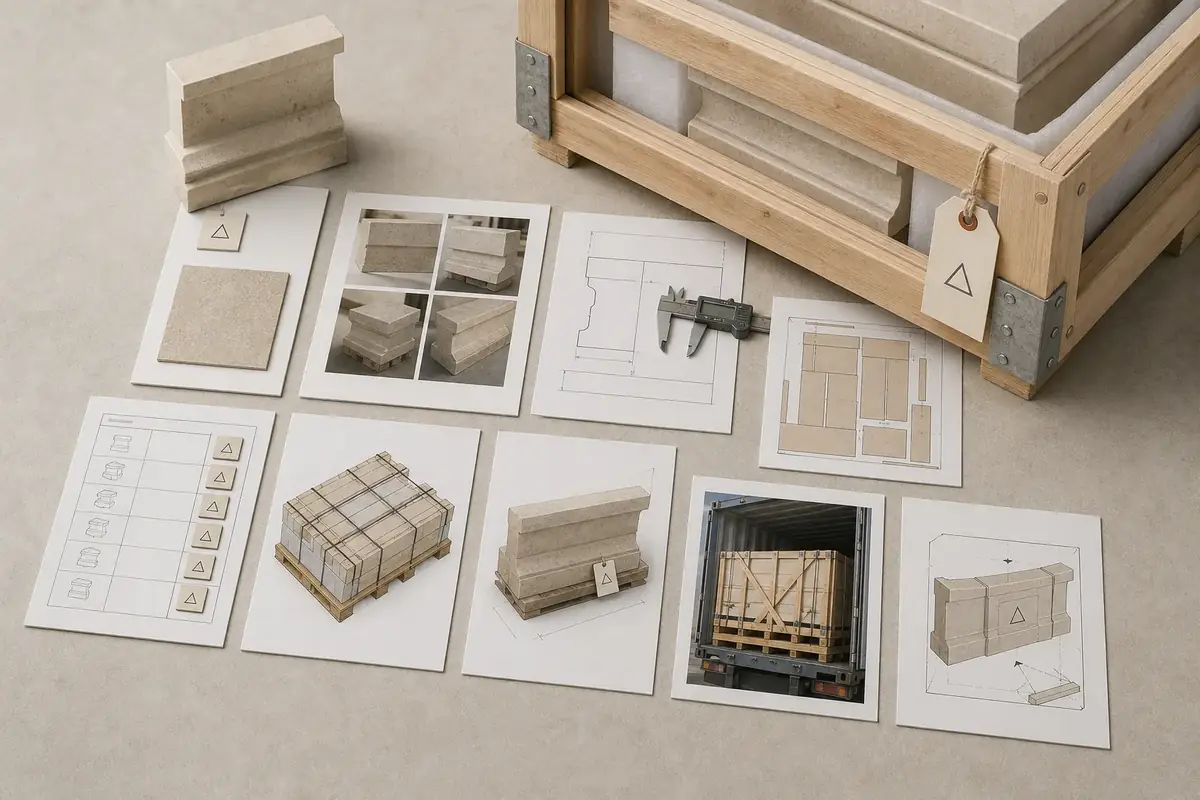
Technical illustration of stone approval, inspection, piece-mark, packing and installation handover records
Workflow illustrationIllustration of the workflow — not a completed client project.

Workflow illustration

See the decision before reading the detail.

Process illustration: make every approval, inspection image, piece mark, crate and installation reference point to the same physical order.

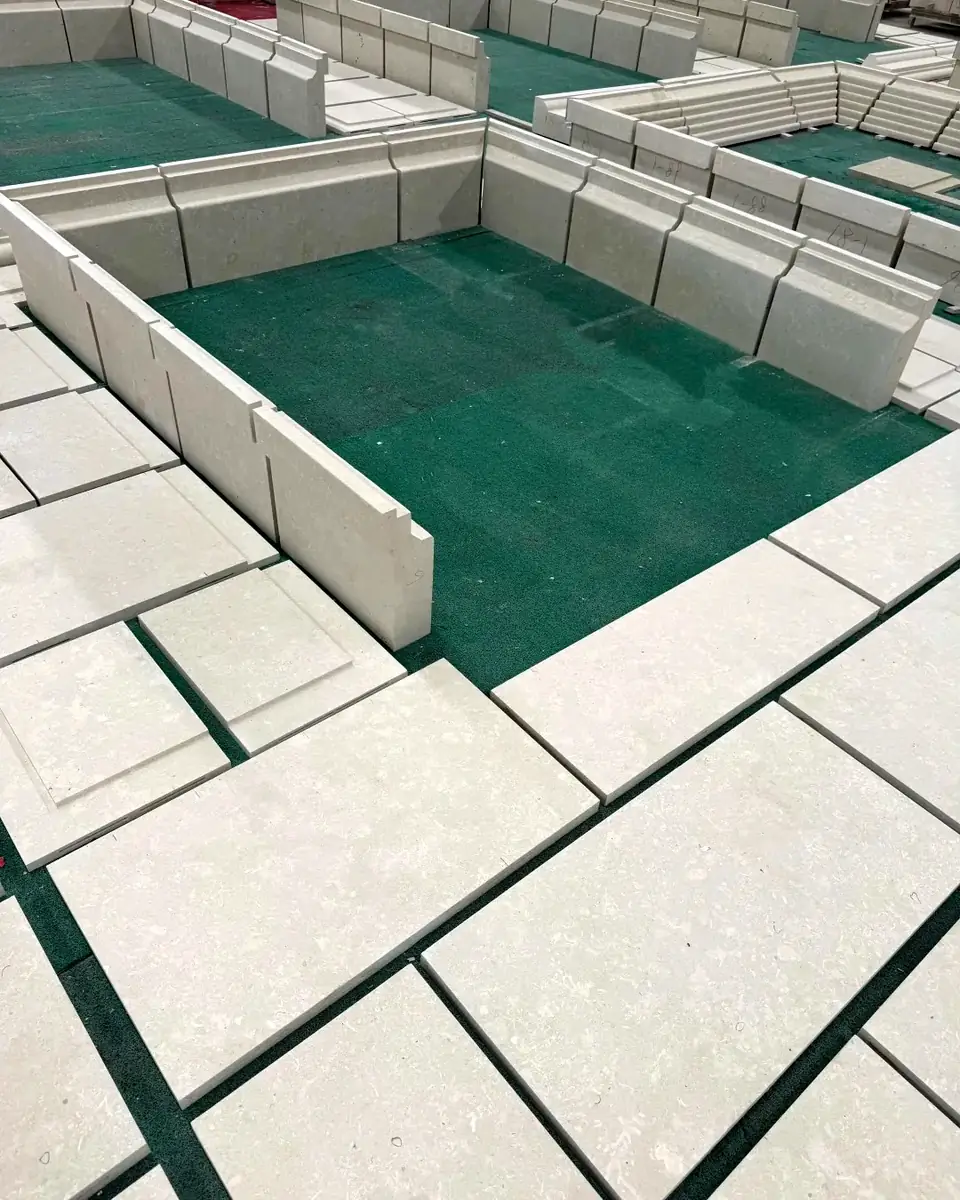
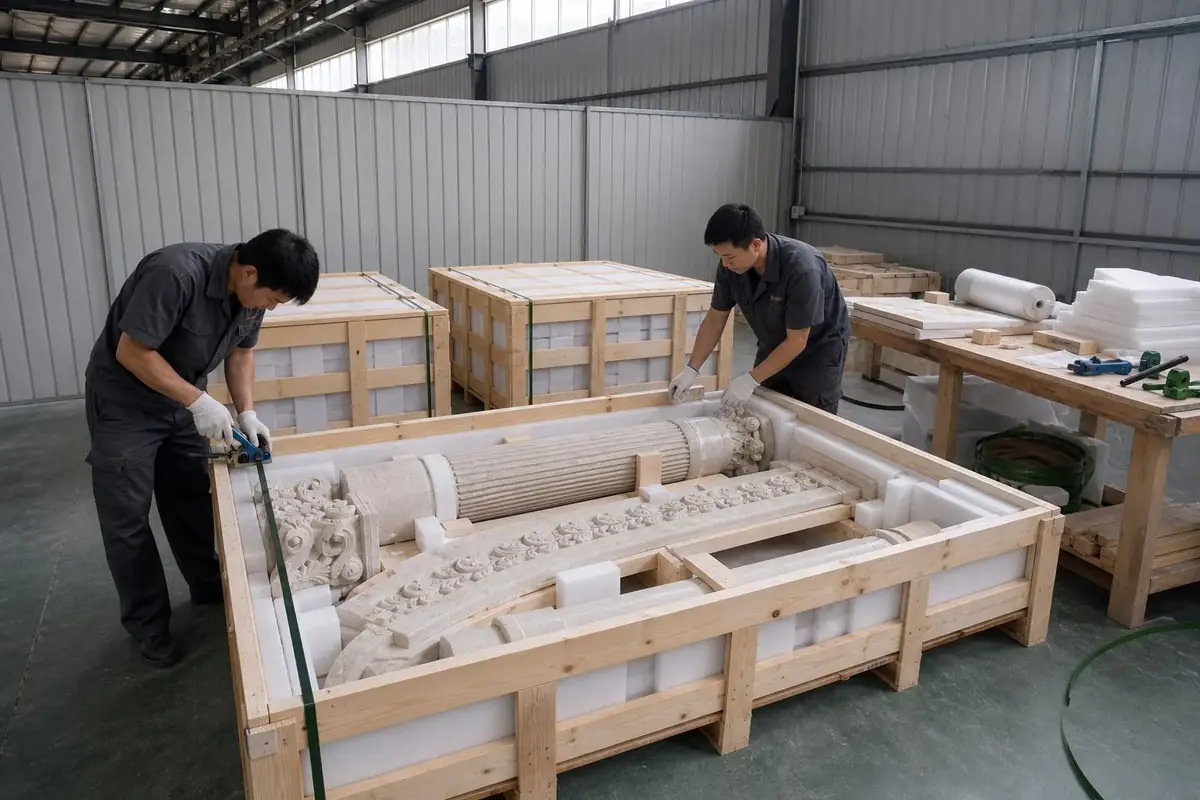
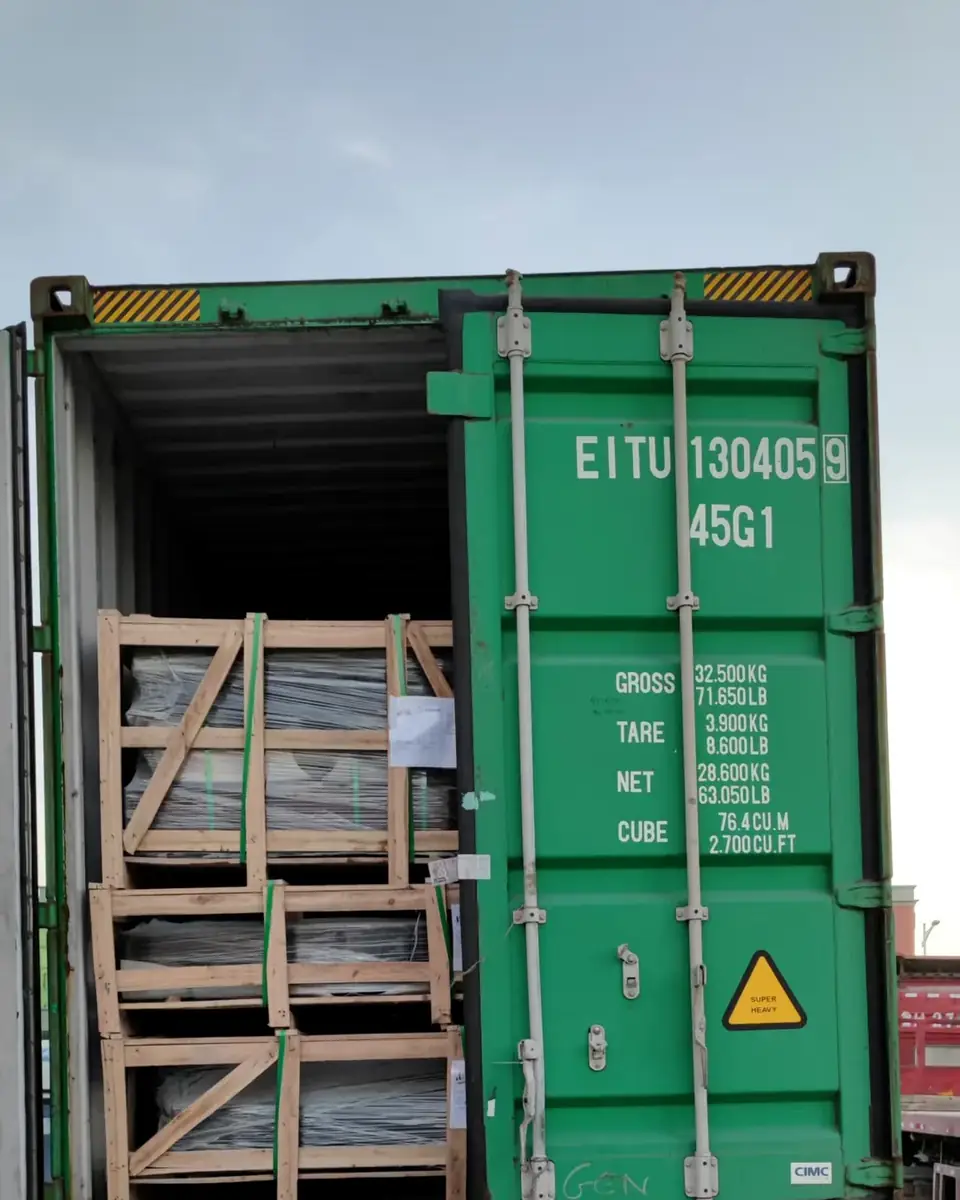
Boda Stone factory photographs follow below.

Procurement parameters

Define the input, control and deliverable.

Use this table in an RFQ, technical submittal or inspection plan. Values remain project-specific; the table shows what must be made explicit.

ParameterBuyer should stateFactory-controlled output
Approved basisRequired drawing, sample and variation registerIndexed approval package
Production evidenceRequired first-article and inspection coveragePiece-linked QC and release records
Packing dataSite sequence and handling constraintsPiece list, crate list, dimensions and gross weights
Loading evidenceContainer/transport reference and coverageLoading plan, photographs and shipment reference
Installer handoverLocal contacts and agreed factory informationOrientation, assembly references and open-item list
01

Approval and production basis

Retain the approved drawing register, material and finish approvals, range samples, model or mock-up decisions, first-article records and written variations.

02

Inspection and traceability

Match inspection forms and photographs to component marks. Include agreed dimensional, profile, finish, material and trial-coordination records rather than claiming tests that were not specified.

03

Packing and destination handover

Provide piece and crate lists, dimensions, gross weights, loading references, orientation or handling notes and the agreed assembly information. Destination engineering and site safety remain with qualified local parties.

Working files

Use the checklist against the actual order.

These editable CSV files are procurement aids, not a substitute for the signed quotation, inspection plan or contract.

Related questions

Short answers for project teams.

The fastest project-specific answer starts with the current drawing, dimension, material and destination.

Does every order include laboratory test reports?+

No. Project-specific tests are supplied when specified and arranged. The order should identify the standard, sampling, laboratory, acceptance values and report recipient.

Should packing photographs show every piece?+

The required coverage should be agreed. At minimum, records should make critical or high-value pieces, crate identity and loading sequence traceable.

When should final documents be issued?+

Define staged and final issue dates in the inspection or document schedule so the site team receives essential information before unloading and installation.

Apply the guide

Review the actual project information.

Send the drawings or model, known dimensions, quantity, proposed stone, destination and current open questions.