Project-based stone fabrication from Hui'an, Fujian

Stone project knowledge · reviewed 20 August 2026

How Long Does a Custom Stone Project Take?

There is no honest universal lead time for a carved facade package or monumental sculpture. A buyer needs a dated responsibility schedule that separates factory working time from client approvals, laboratory work, booking and transit.

In brief

How Long Does a Custom Stone Project Take?

A dependable lead time is built from approved milestones: drawing review, material reservation, samples or mock-ups, production-data approval, fabrication, first-article release, inspection, packing and logistics. The schedule becomes reliable only after scope, quantities, stone availability and approval responsibilities are known.

This guide is general manufacturing and coordination information. Contract documents, engineering and destination requirements control each actual project.

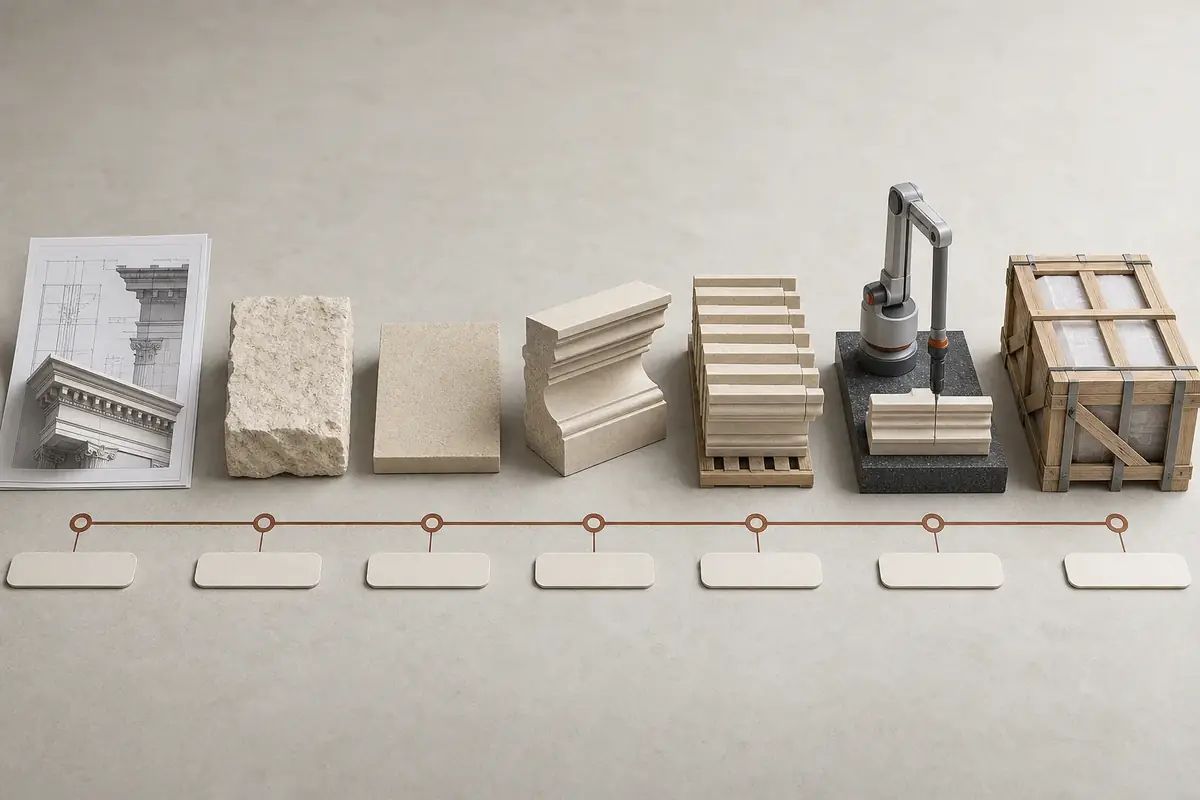
Technical illustration of custom stone project milestones from drawings and material approval through production, inspection and export packing
Workflow illustrationIllustration of the workflow — not a completed client project.

Workflow illustration

See the decision before reading the detail.

Process illustration: build the programme from drawing release, material and finish approval, first article, batch production, inspection and packing—not from an unsupported fixed duration.

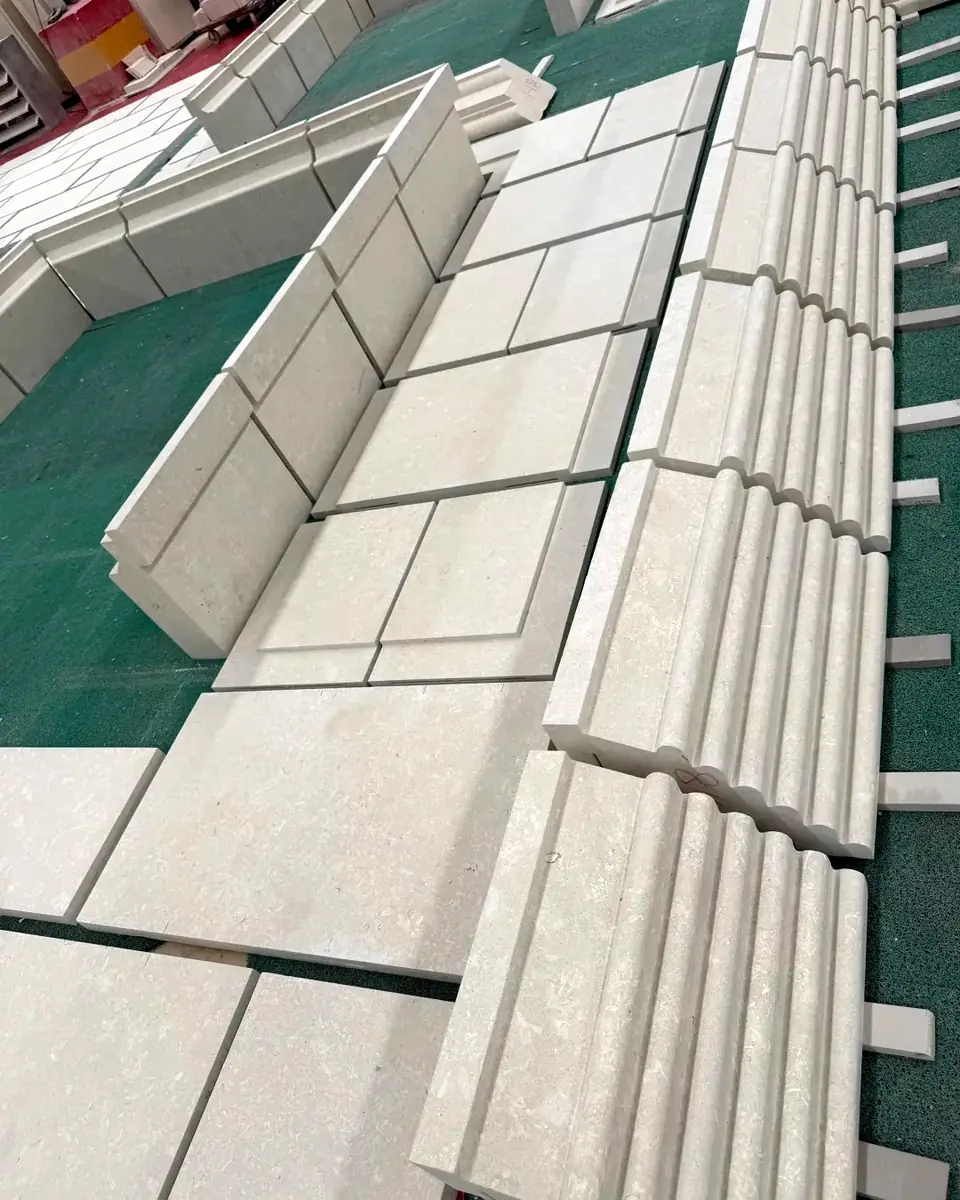
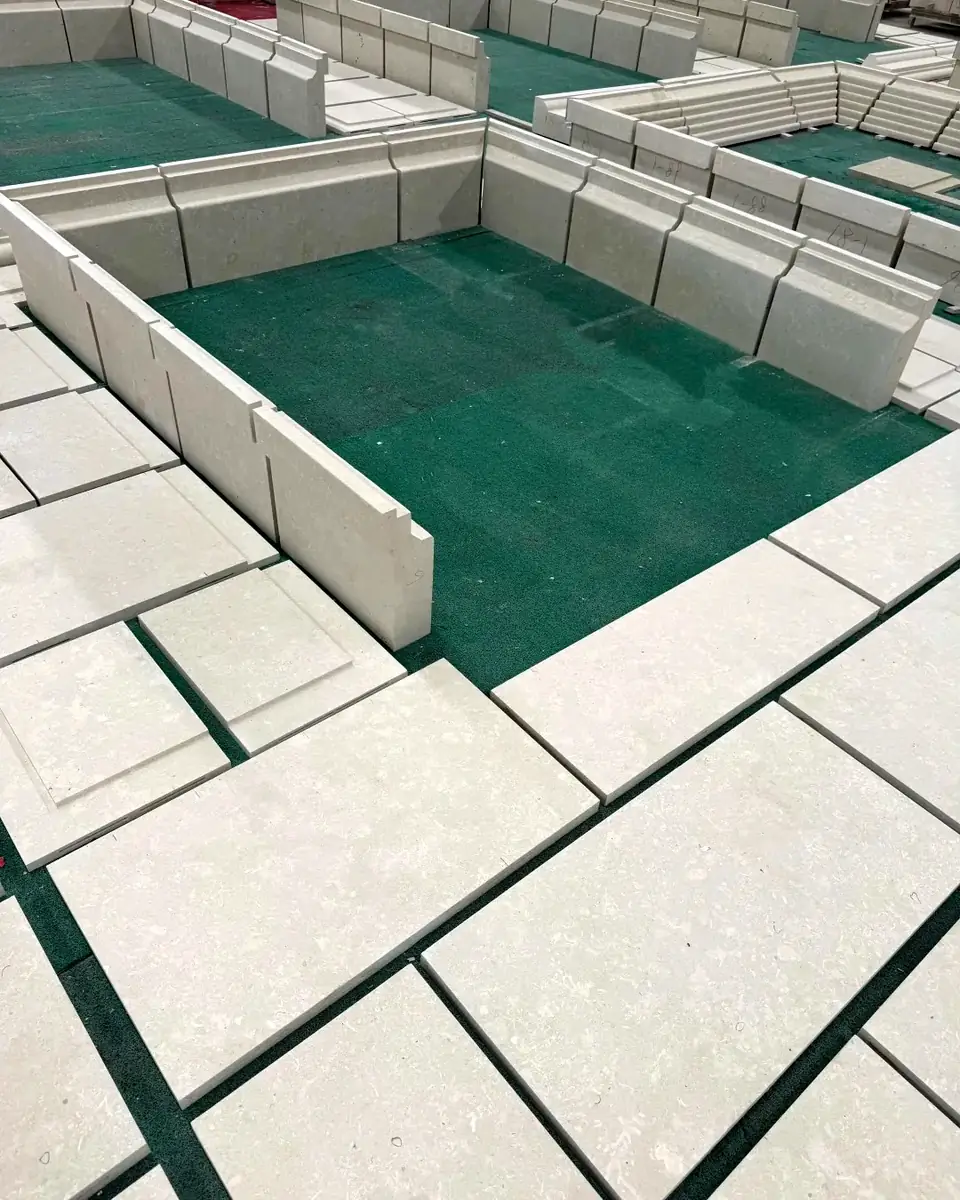
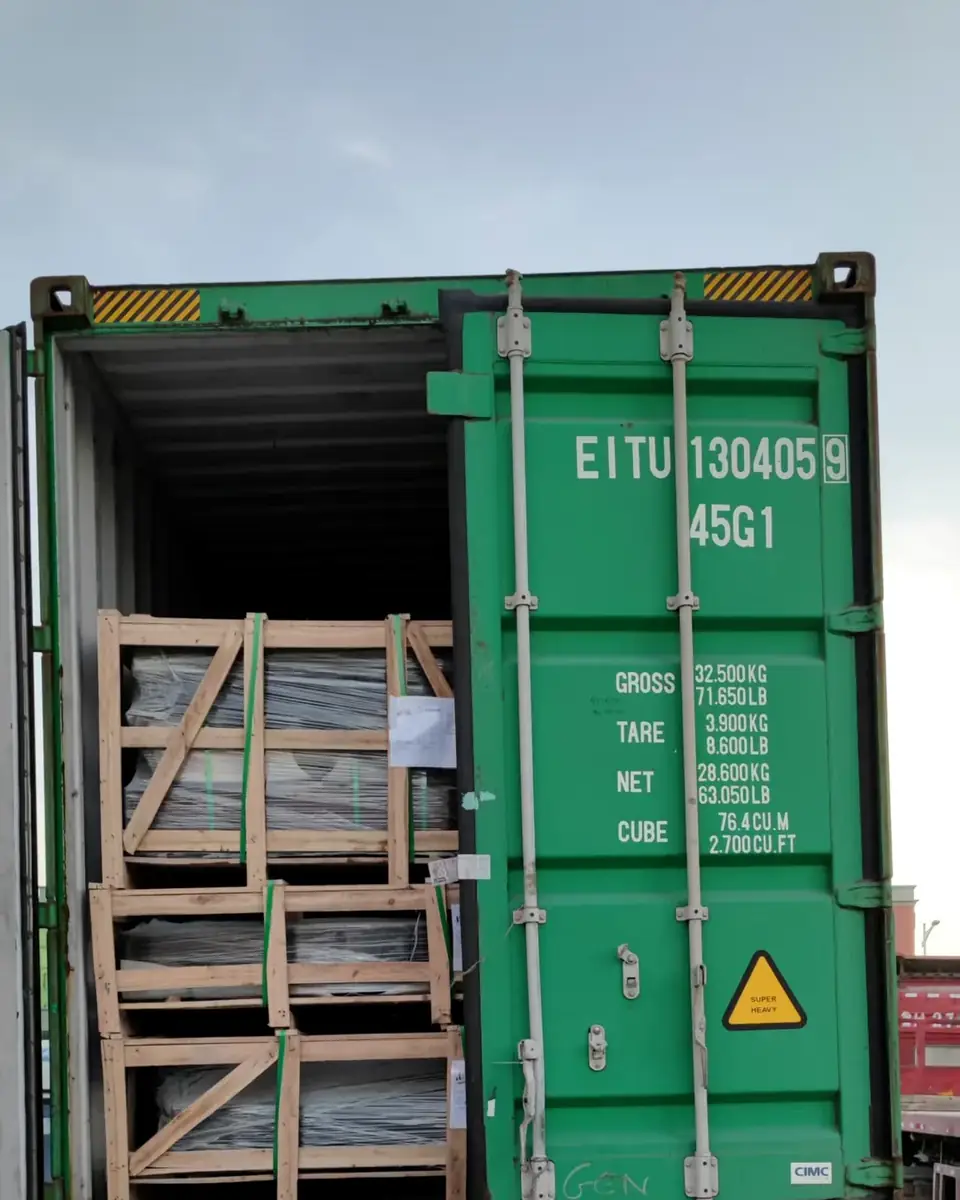
Boda Stone factory photographs follow below.

Procurement parameters

Define the input, control and deliverable.

Use this table in an RFQ, technical submittal or inspection plan. Values remain project-specific; the table shows what must be made explicit.

ParameterBuyer should stateFactory-controlled output
Design reviewDrawing maturity, quantities and open decisionsDated information-release and open-item schedule
Material approvalSource, range, finish and test requirementsReservation, sample and approval milestone
Production releaseApproved data and decision response timesFirst-article and batch-production gates
Inspection & packingWitness points and document scopeInspection release, crate schedule and readiness date
LogisticsIncoterm, route, destination access and required arrivalBooking, loading and transit assumptions kept separate
01

Build the programme by gates

Use measurable release points rather than one delivery date copied into every email.

  • Scope and drawing review
  • Stone, range and finish approval
  • Model, sample or first-article approval
  • Batch production and inspection
  • Packing, booking and shipment
02

Identify the variables that change duration

Block availability, drawing maturity, repeated versus unique pieces, carving depth, test requirements, colour-range decisions, client response time, factory loading and destination logistics can all alter the critical path.

03

Control changes without hiding delay

Record the drawing revision, decision owner and effect on cost and programme for every change. An updated milestone schedule is more useful than preserving an obsolete promised date.

Working files

Use the checklist against the actual order.

These editable CSV files are procurement aids, not a substitute for the signed quotation, inspection plan or contract.

Related questions

Short answers for project teams.

The fastest project-specific answer starts with the current drawing, dimension, material and destination.

Can Boda Stone confirm lead time before seeing drawings?+

Only an indicative range can be discussed. A committed programme requires the component scope, quantity, material, approvals, inspection requirements and delivery destination.

Does sample approval happen inside production time?+

It should be shown as a separate gate. Sample making, courier time, client review and any revision can affect the production-release date.

What should a buyer monitor each week?+

Monitor current drawing revision, open decisions, approved material, completed quantities, inspection holds, packing readiness and changes to booking or transit.

Apply the guide

Review the actual project information.

Send the drawings or model, known dimensions, quantity, proposed stone, destination and current open questions.