Project-based stone fabrication from Hui'an, Fujian

Stone project knowledge · reviewed 20 August 2026

How Should Stone Acceptance, Damage and Replacement Be Managed?

A chip found after unloading, a dimensional nonconformance and an installation-interface conflict are different events. Each needs traceable evidence and a contract-based responsibility decision rather than an automatic assumption about cause.

In brief

How Should Stone Acceptance, Damage and Replacement Be Managed?

Agree acceptance criteria, inspection stages, notification method and evidence requirements before shipment. If a problem occurs, isolate the piece, preserve packaging, record its component and crate numbers, take dated overview and detail images, measure against the approved basis, and review responsibility before authorizing repair or replacement.

This guide is general manufacturing and coordination information. Contract documents, engineering and destination requirements control each actual project.

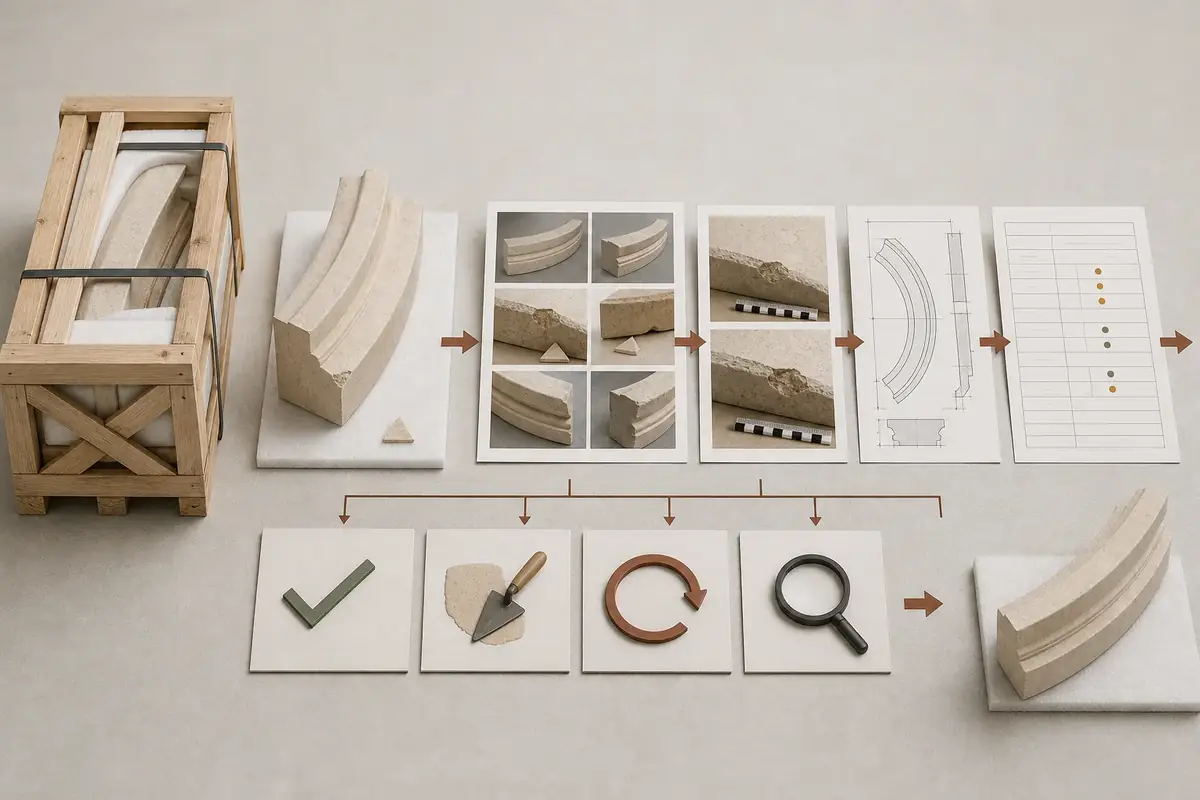
Technical illustration of stone arrival inspection, condition photographs, damage measurement, responsibility review and remedy options
Workflow illustrationIllustration of the workflow — not a completed client project.

Workflow illustration

See the decision before reading the detail.

Process illustration: preserve the crate and piece identity, record overview and measured detail evidence, compare the approved basis and authorize a proportionate remedy.

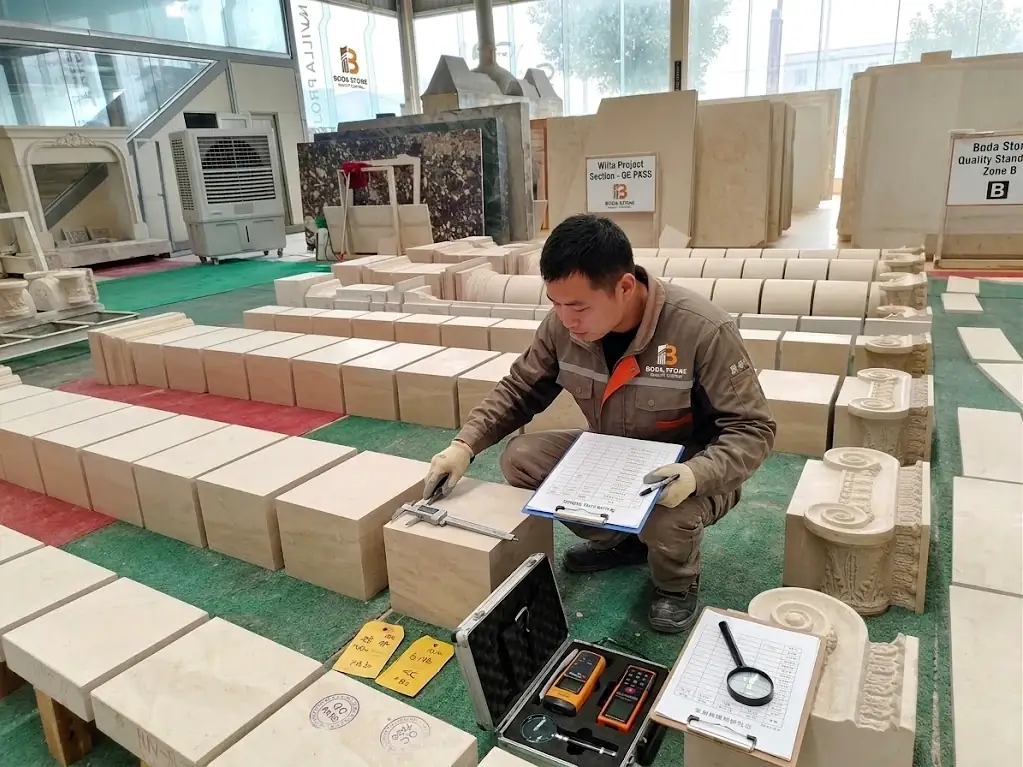
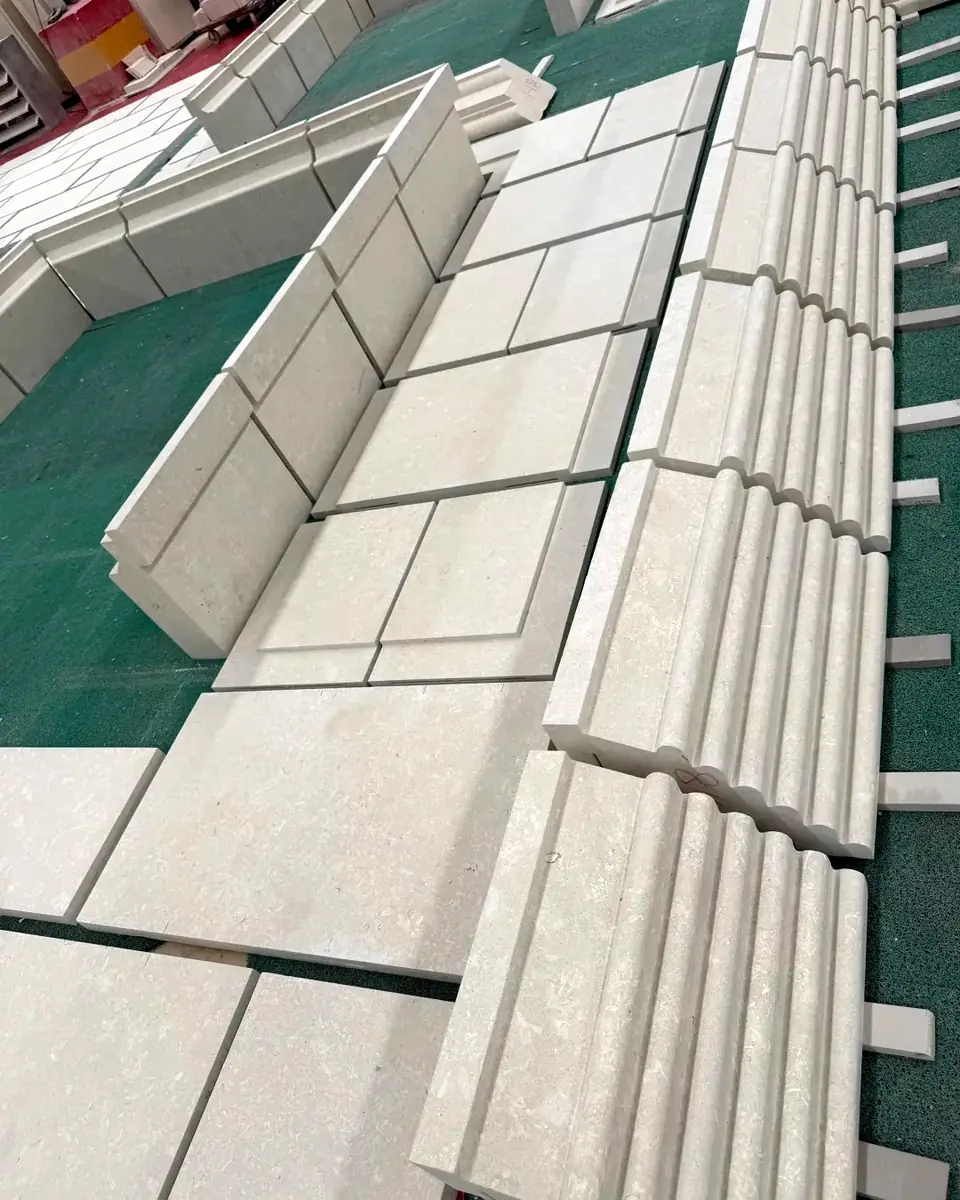
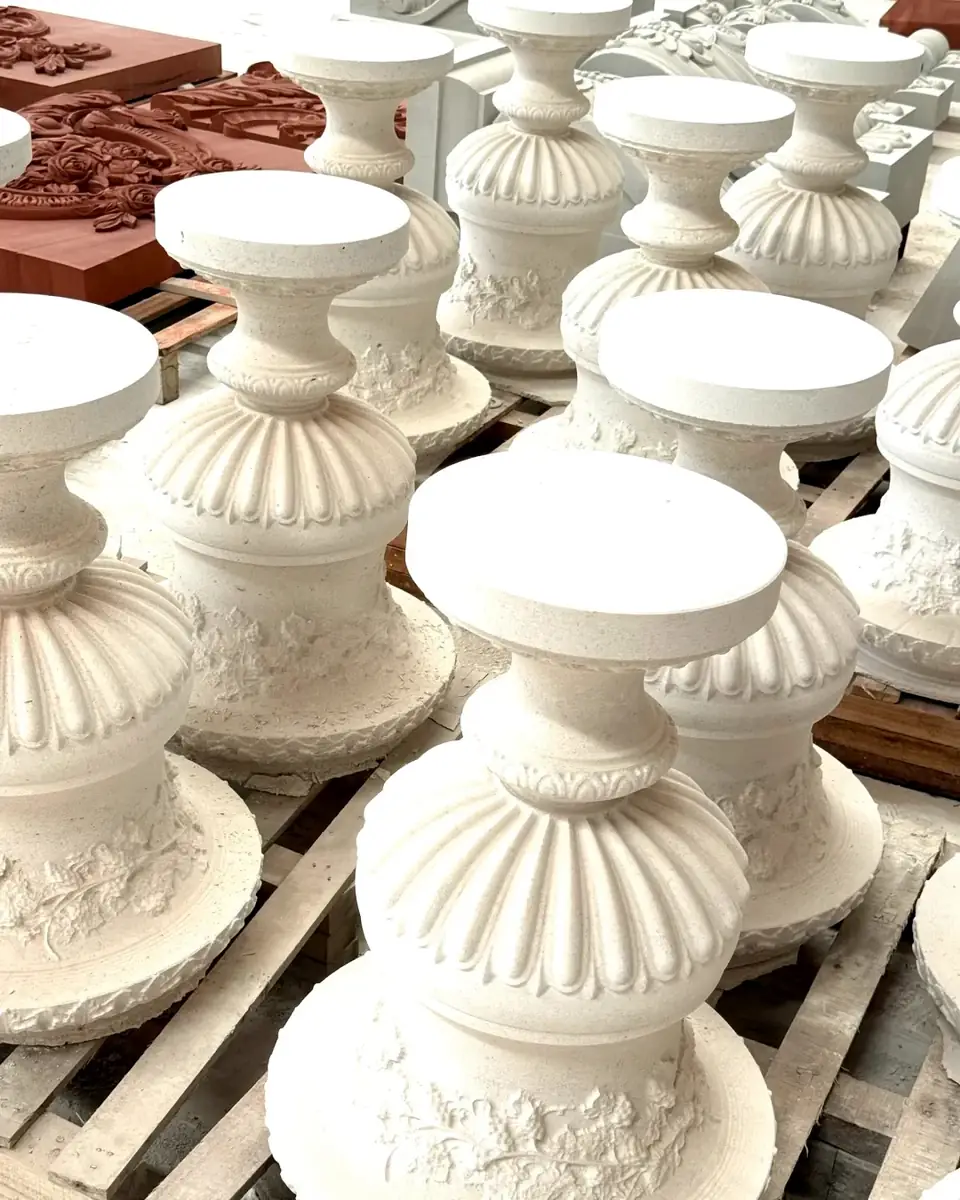
Boda Stone factory photographs follow below.

Procurement parameters

Define the input, control and deliverable.

Use this table in an RFQ, technical submittal or inspection plan. Values remain project-specific; the table shows what must be made explicit.

ParameterBuyer should stateFactory-controlled output
Acceptance basisDrawing, sample, measurement and notification rulesPre-agreed inspection and claim procedure
IdentificationOrder, component, crate and drawing revisionTraceable record for the exact affected piece
Condition evidenceCrate, unloading, full-piece, detail and scale photographsEvidence package preserved before repair or disposal
ResponsibilityContract, Incoterm, carrier and insurance informationWritten cause and responsibility review
ResolutionSite constraints and acceptable remediesAuthorized acceptance, repair, replacement or other remedy
01

Define acceptance before production

Connect dimensions, profiles, finish, natural variation, repairs and packaging to drawings, samples and measurable inspection methods. State who witnesses or approves each hold point.

02

Capture evidence at the point of discovery

Keep the piece and packaging available for review. Record marks, crate condition, seals, unloading sequence, handling equipment and the drawing revision before repair or disposal changes the evidence.

03

Choose a proportionate resolution

After responsibility and serviceability are reviewed, the written resolution may be acceptance, local repair, factory repair, replacement, commercial adjustment or another contract remedy. Insurance, carrier and Incoterm obligations must be followed where relevant.

Working files

Use the checklist against the actual order.

These editable CSV files are procurement aids, not a substitute for the signed quotation, inspection plan or contract.

Related questions

Short answers for project teams.

The fastest project-specific answer starts with the current drawing, dimension, material and destination.

What photographs are needed for a damaged stone claim?+

Include the unopened or just-opened crate, external damage, crate and piece marks, full component, close-up, scale reference, packing supports and unloading context.

Should a damaged piece be repaired immediately?+

Make it safe, but avoid irreversible repair or disposal until the responsible parties have reviewed evidence and authorized the next step.

Does every chip require replacement?+

No. The decision depends on location, structural or functional significance, approved repair criteria, appearance and the contract. The project team should document the accepted resolution.

Apply the guide

Review the actual project information.

Send the drawings or model, known dimensions, quantity, proposed stone, destination and current open questions.