Project-based stone fabrication from Hui'an, Fujian

Stone project knowledge · reviewed 20 August 2026

How Do MOQ, Samples, Prototypes and First-Article Approval Work?

The approval route should match the risk. A small finish chip cannot approve a full carved capital, and a digital model cannot prove natural colour range or physical surface texture.

In brief

How Do MOQ, Samples, Prototypes and First-Article Approval Work?

Boda Stone accepts export production orders on a full-container-load (FCL) basis. We do not accept standalone one-piece production orders or ship a single sample as an independent international order. Material samples, finish samples, prototypes, mock-ups and first-article approval are planned within a confirmed FCL project because each controls a different production risk.

This guide is general manufacturing and coordination information. Contract documents, engineering and destination requirements control each actual project.

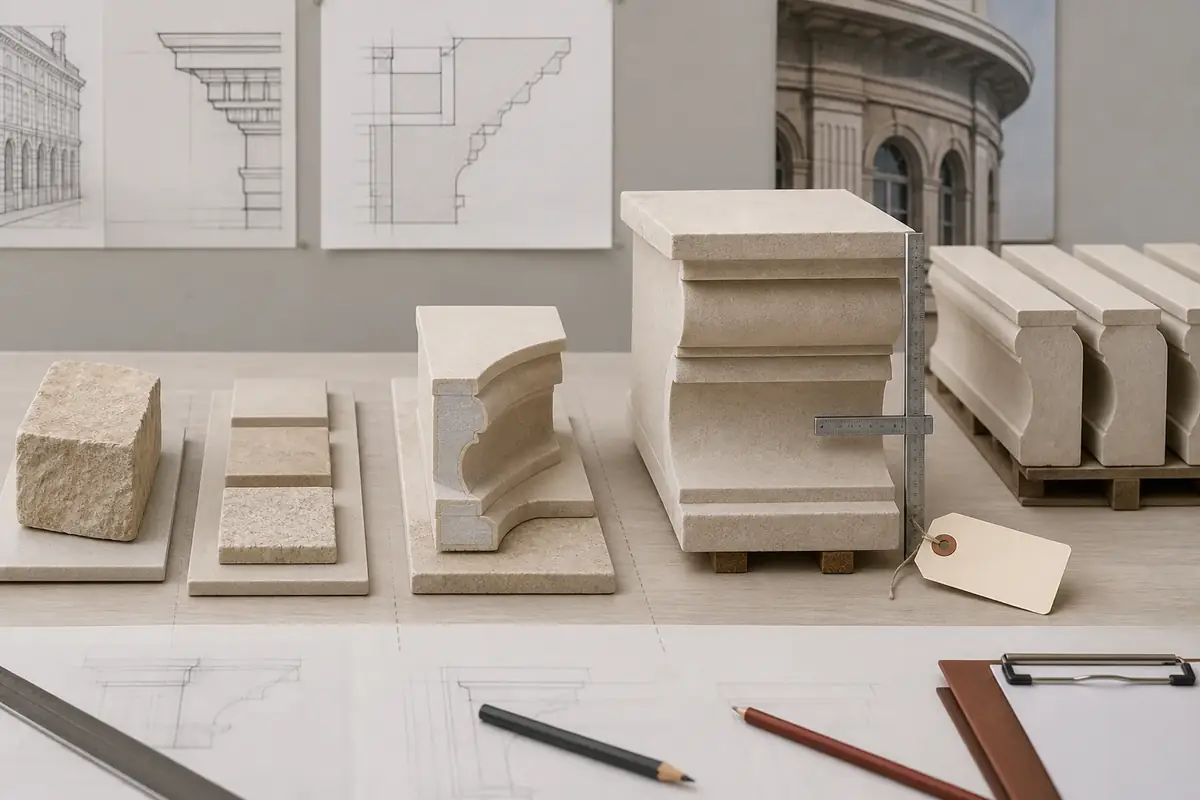
Technical illustration comparing a stone source sample, finish samples, a prototype, a measured first article and repeat production pieces
Workflow illustrationIllustration of the workflow — not a completed client project.

Workflow illustration

See the decision before reading the detail.

Process illustration: separate material and finish evidence from a design prototype and the measured first production article; commercial quantity remains project-specific.

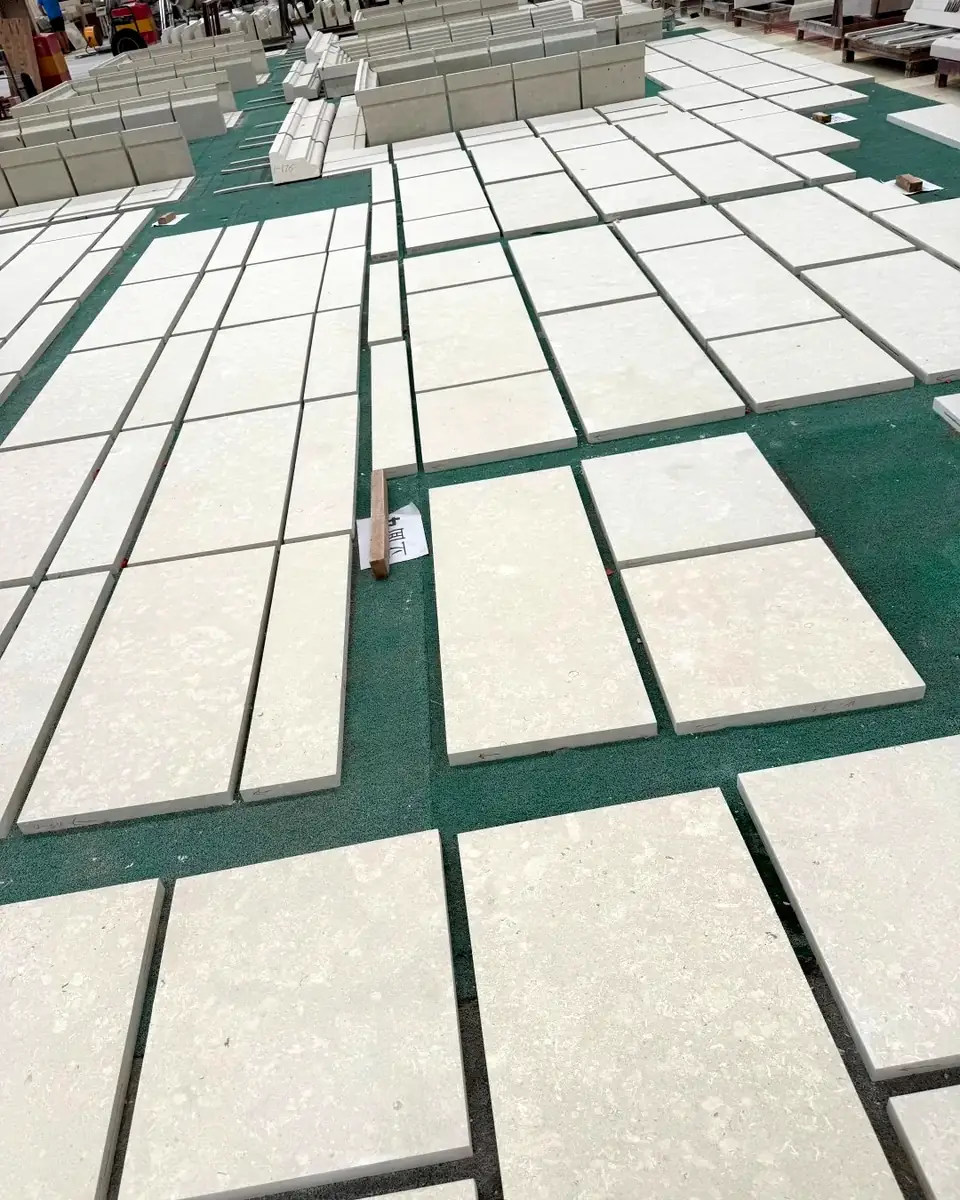
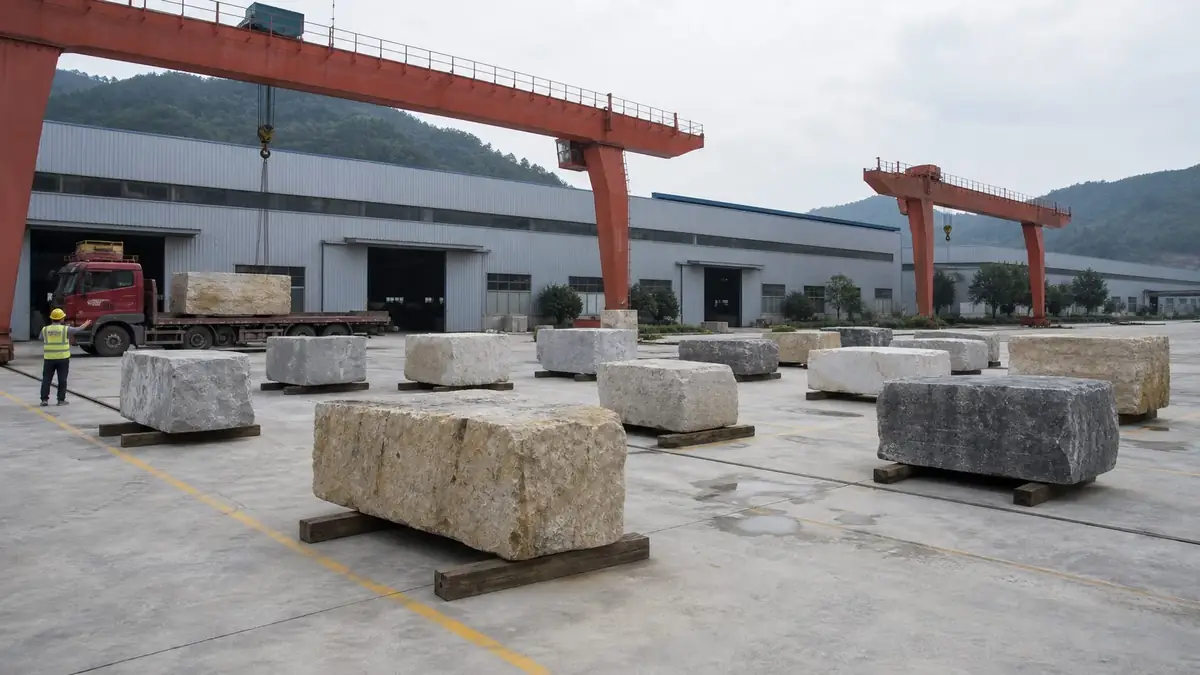
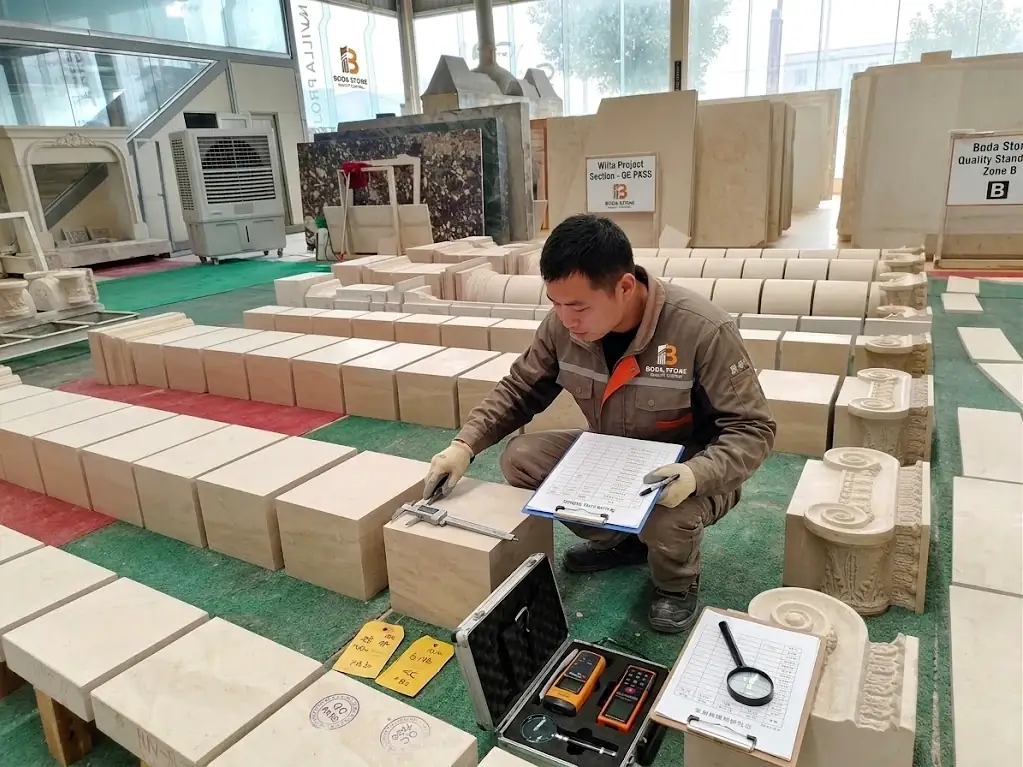
Boda Stone factory photographs follow below.

Procurement parameters

Define the input, control and deliverable.

Use this table in an RFQ, technical submittal or inspection plan. Values remain project-specific; the table shows what must be made explicit.

ParameterBuyer should stateFactory-controlled output
Commercial quantityFull-container project scope and proposed item mixFCL loading plan, production allocation and approval stages
Sample purposeSource, range, finish, geometry or workmanshipCorrect sample type, size and labelling
PrototypeDesign question or method to be testedPrototype scope, exclusions and decision record
First articleProduction features to approve before repetitionMeasured and visual release record
Commercial termsQuantity, courier destination and ownership needsFee, freight, timing and credit terms stated in quotation
01

Define the purpose of each sample

State whether the submission approves source, colour range, finish, geometry, carving depth, assembly or workmanship. Label it with project, material, finish, date and revision.

02

Separate commercial and production decisions

The quotation should state sample dimensions, quantity, fee, freight, estimated preparation time, ownership and whether approved sample cost is credited. These terms are project-specific and must be written, not assumed.

03

Release repetition only after the first article

For repeated profiles or carving, inspect the first production piece against the latest drawing, sample and measurement plan. Record acceptance or corrections before releasing the remaining quantity.

Related questions

Short answers for project teams.

The fastest project-specific answer starts with the current drawing, dimension, material and destination.

What is Boda Stone's minimum order quantity?+

Boda Stone's export production policy is one full container load (FCL). We do not accept standalone one-piece orders. The exact mix of components can vary within the container after material, geometry, packing, weight and project requirements are reviewed.

Can I order a sample or prototype by itself?+

No. Samples, prototypes, mock-ups and first articles are supplied as approval stages within a confirmed FCL project, not as standalone international orders.

Is a prototype the same as a first article?+

Not necessarily. A prototype may test design or method before final production data; a first article is normally the first item made from the intended production basis.

Can a finish be approved only from photographs?+

Photographs help communication, but lighting and screens alter appearance. A physical sample is safer when texture, gloss or colour is commercially important.

Apply the guide

Review the actual project information.

Send the drawings or model, known dimensions, quantity, proposed stone, destination and current open questions.