Which natural stone is best for an exterior carved facade?
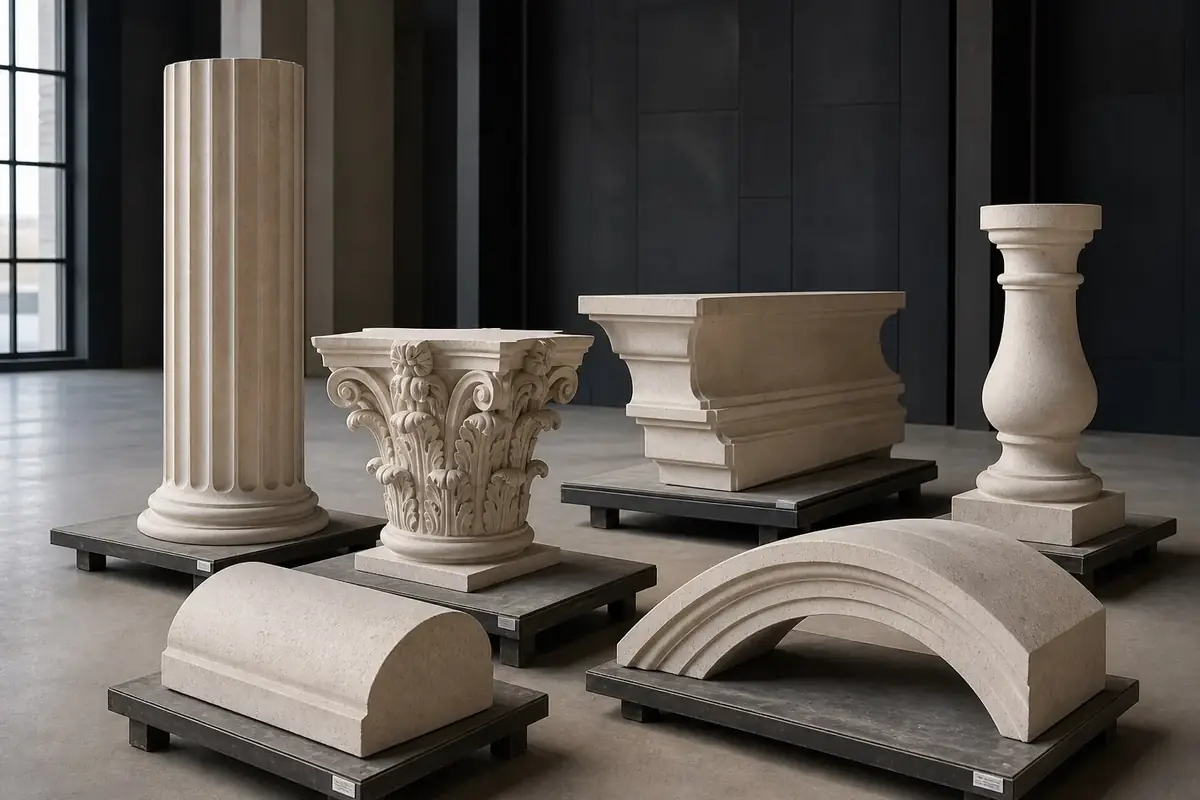
There is no universal best stone. The selection should balance climate, moisture and salt exposure, freeze-thaw requirements, structural sections, carving detail, bedding or veining, finish, block size, maintenance expectations and verified test information.
Can Boda Stone provide ASTM or EN test reports?
Available quarry, supplier or third-party reports can be reviewed and supplied when included in the agreed scope. The buyer should specify the exact standard, current edition, sampling basis, orientation, accredited laboratory and acceptance value; one report should not be assumed to cover every batch or application.
Can Boda Stone source stone from outside China?
The sourcing scope can include natural stone from China and international quarry regions, subject to quarry availability, block dimensions, export and import requirements, lead time, sample approval and project-specific performance criteria.
Can project-specific testing be arranged at any time?
Third-party testing can be coordinated when the required standard, specimen, sampling basis, laboratory and acceptance criteria are defined. Testing is most useful when planned before material approval and mass production rather than added after fabrication.
How do you control colour and natural variation?
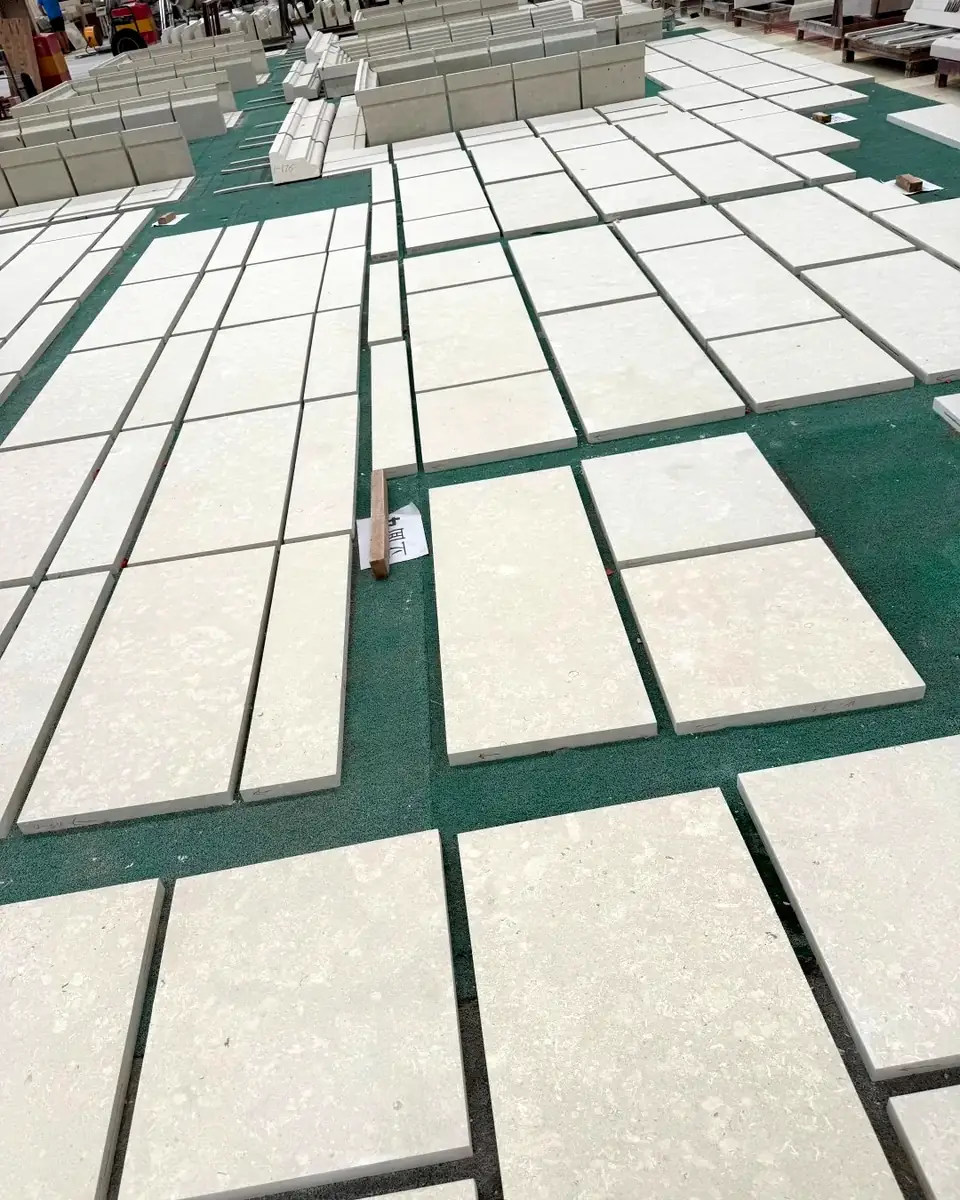
The project should approve a representative range rather than one small perfect sample. Range samples, batch photographs, mock-ups or first pieces can define acceptable colour, veining, fossils, pores and other natural characteristics.
What fabrication tolerances can be guaranteed?
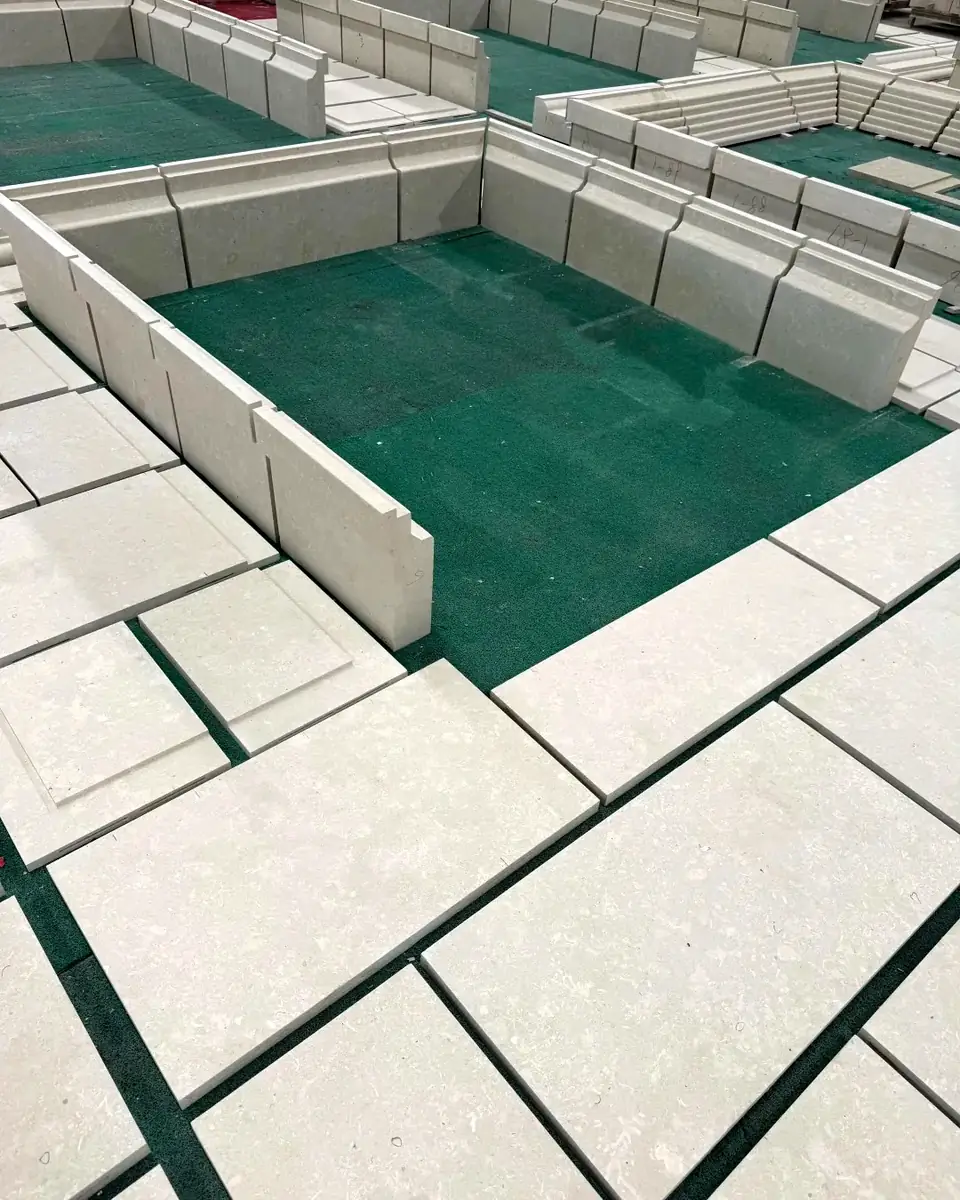
Tolerances are agreed for the actual component and interface. Bearing faces, holes, profiles, radii, joints, carved surfaces and monumental sculpture require different measurement methods; a single blanket tolerance would be misleading.
Is marble suitable for outdoor sculpture?
Some marbles are used outdoors, but suitability depends on mineralogy, climate, moisture, pollution, orientation, finish, detailing and maintenance. Material-specific evidence and the project's engineering or conservation advice should guide the decision.
How is freeze-thaw suitability checked?
The specification should identify the required test method, cycles, conditioning, specimen orientation and acceptance criteria. Results must then be reviewed alongside absorption, detailing, drainage, thickness and the actual exposure condition.
Can a buyer approve the first finished piece before mass production?
Yes. A first-piece or master-reference approval is useful for repeated profiles, ornament, reliefs and finishes. The approval should identify what is fixed and what natural or hand-worked variation remains acceptable.
Can a third party inspect the stone before shipment?
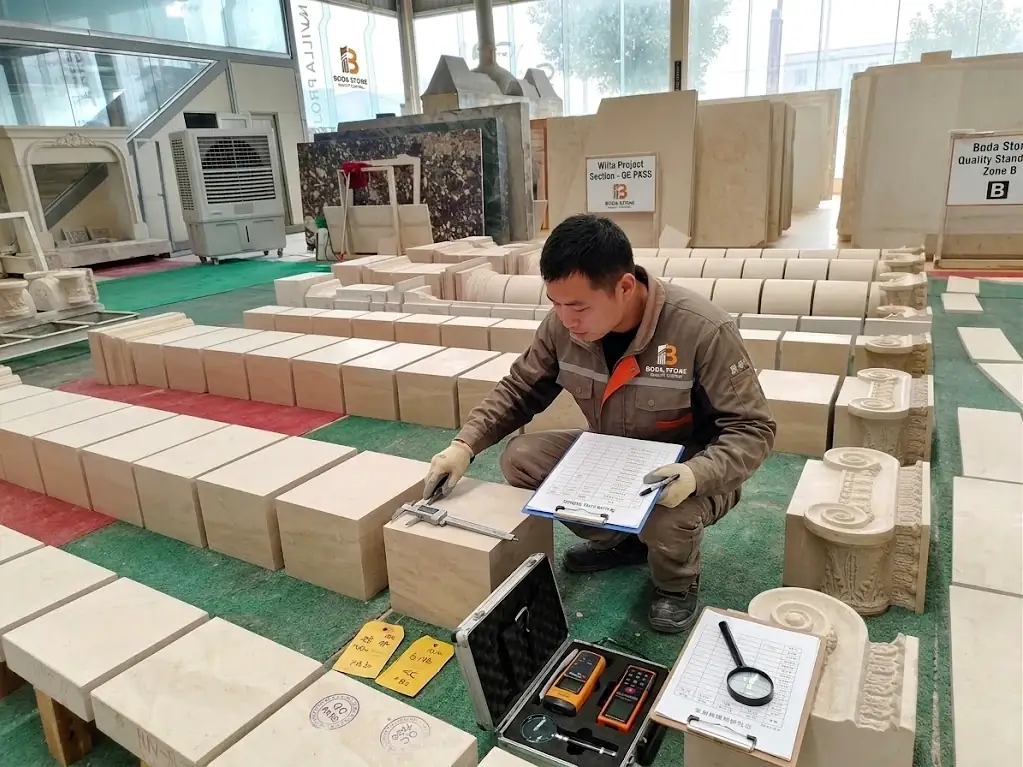
Yes. Independent inspection can be coordinated at agreed hold points. The inspection plan should state notice periods, drawings, sampling, measuring tools, acceptance criteria, reporting format and authority to release or reject work.
What happens if a replacement piece is needed?
Piece marks, approved geometry, templates, models, material references and finish records improve replacement accuracy. Natural stone range may still change over time, so spare pieces or retained material can be considered for critical projects.
Do certificates automatically prove that a stone is suitable?
No. A certificate or report is only useful when the material identity, batch, test method, orientation, laboratory, result and project acceptance criteria all align with the intended use.